Can sellers pay closing costs? Learn how seller concessions work, loan limits, and negotiation strategies that can make your home purchase easier today.
How Long Does First Time Home Buyer Class Take?
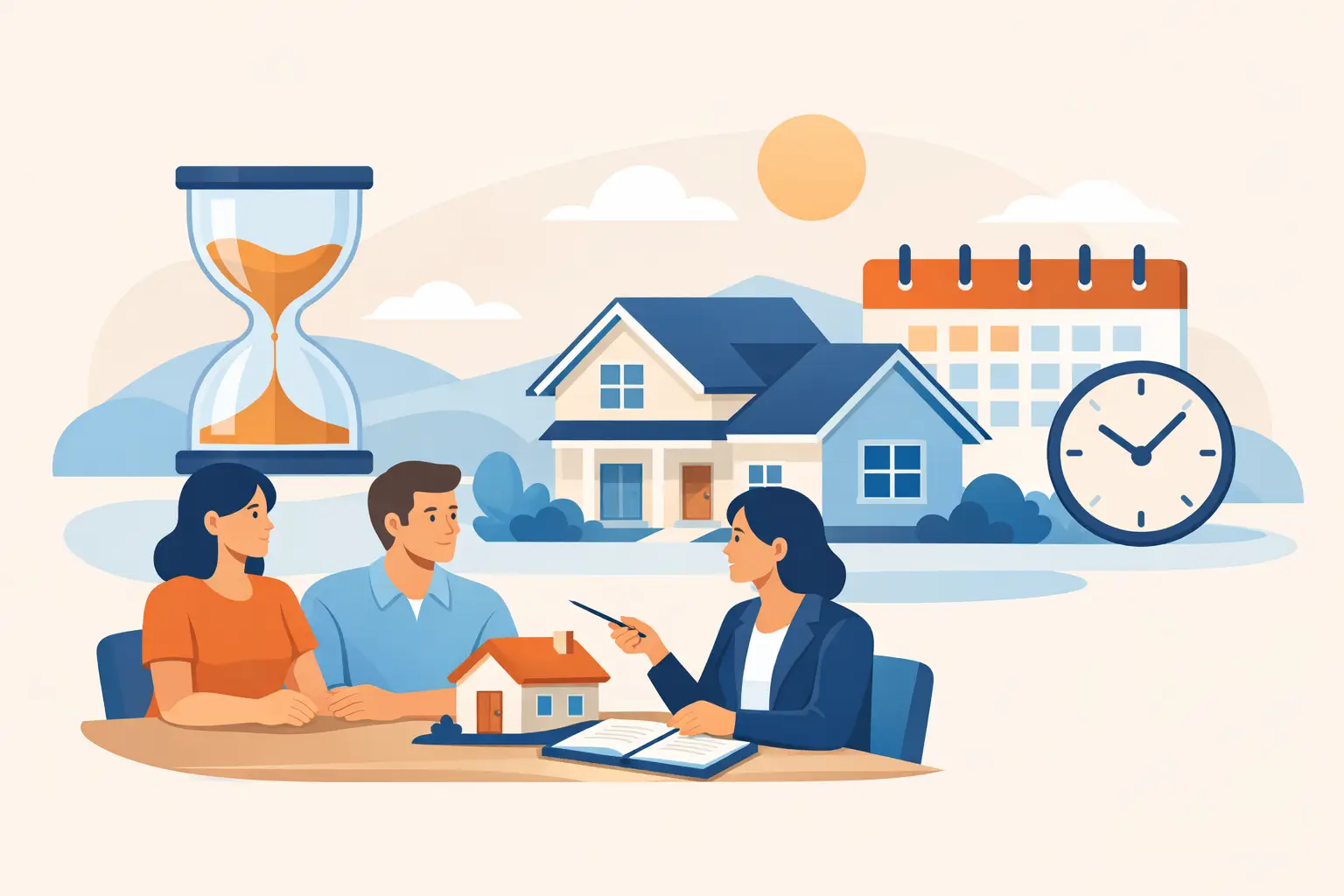
If you are trying to line up a mortgage, compare down payment assistance, and figure out your timeline, one question usually comes up fast: how long does first time home buyer class take? The short answer is that most classes take between 4 and 8 hours. But the real answer depends on the program, the state, and whether you take it online, in person, or in a live virtual setting.
For many buyers, the class is less of a hurdle than they expect. It is usually designed to help you avoid expensive mistakes, understand your financing options, and meet eligibility requirements for certain loan programs or assistance funds. If you know what affects the timing, it becomes much easier to plan around work, family, and your home search.
How long does first time home buyer class take in most cases?
Most first-time homebuyer education courses are built to be completed in one sitting or over a weekend. A common range is 4 to 8 hours total. Some online courses let you pause and come back later, which makes the time feel more manageable even if the total course length stays the same.
If the course is tied to down payment assistance, local housing agency rules, or a specific mortgage product, it may have a minimum number of required hours. In many cases, that means a course will land around 6 to 8 hours. Shorter workshops do exist, but they are less common when a certificate is required.
A good way to think about it is this: the class itself is usually not a multi-week commitment. It is more like a focused half day or full day of education that can help smooth out the rest of your purchase process.
What changes the time requirement?
The biggest factor is the course format. Self-paced online classes are often the easiest to fit into a busy schedule. You may still spend 6 hours on the material, but you can break it into smaller sessions at night or between appointments. That flexibility matters if you are balancing a job, childcare, or a quick-moving home search.
In-person classes often run on a set schedule. Some are offered as a single Saturday class, while others are split into two evening sessions. Live virtual classes can feel similar to in-person courses, just without the drive time.
The other major factor is the reason you need the class. If you are taking it for general education, the provider may offer a shorter version. If you need a certificate for a housing agency or assistance program, the required content may be more detailed. That often means more instruction on budgeting, credit, mortgage payments, insurance, closing costs, and the responsibilities of owning a home.
Provider rules also matter. Some organizations require quiz completion, attendance tracking, or counseling sessions in addition to the class. In that case, the class may take 6 hours, but the full requirement could stretch a little longer.
Online classes
Online courses are usually the most convenient option. Many are self-paced and can be completed in sections. You might spend a couple of hours one evening, log out, and finish the rest another day. The total time is often still around 4 to 8 hours.
The main trade-off is that self-paced learning works best if you are comfortable reading on your own and staying focused. If you tend to have a lot of follow-up questions, a live class or direct conversation with a loan officer may feel more helpful.
In-person or live virtual classes
These classes often feel more structured and interactive. You can ask questions in real time, hear what other buyers are asking, and get explanations that make the material easier to understand. Many first-time buyers find that reassuring.
The trade-off is scheduling. You may need to reserve a full block of time, and if you miss a session, you may need to wait for the next one.
Counseling sessions
Some programs require one-on-one counseling before or after the class. That session may last 30 minutes to an hour, sometimes longer depending on your financial picture. If your question is strictly how long does first time home buyer class take, the course may be 6 hours. But if you are counting every step needed for a certificate, add some extra time.
Why some classes are shorter and others are longer
Not every first-time homebuyer class is trying to do the same job. A shorter class may cover the basics of budgeting, credit, mortgage options, and closing. A longer one may go deeper into foreclosure prevention, fair housing, home maintenance, and local assistance program rules.
This is one of those situations where longer is not necessarily worse. If you are early in the process, extra education can save you time later. Buyers often underestimate how many moving parts are involved in getting from pre-approval to closing. A few additional hours upfront can lead to better questions, fewer surprises, and stronger decisions.
At the same time, not every buyer needs an all-day classroom experience. If you already have solid credit knowledge, stable income, and a clear financing plan, a straightforward certificate course may be enough.
When should you take the class?
The best time is usually before you are under pressure to make an offer. Taking the class early gives you time to understand your price range, compare loan options, and see whether you may qualify for assistance. It can also help you avoid shopping for homes before you are financially ready.
If you think you may use a first-time homebuyer grant or down payment assistance program, take the course as early as you reasonably can. Some buyers wait until they have found a house, then realize the certificate is still missing. That can create unnecessary stress when contract deadlines are already tight.
A practical approach is to take the class around the same time you are speaking with a lender about pre-approval. Those two steps work well together. The class gives you the educational foundation, and your lender helps you apply it to your actual income, debts, credit profile, and goals.
Does the certificate expire?
Sometimes, yes. Many certificates remain valid for a set period, such as 6 months or 12 months, but the exact timeline depends on the provider or assistance program. That is another reason not to take the class too early if your home search may stretch out for quite a while.
This is where the answer to how long does first time home buyer class take connects to a bigger timing issue. The course itself may only take one day, but you want the certificate to still be valid when you need it. If you are not planning to buy for another year or more, check the expiration rules before enrolling.
Is the class hard?
Usually, no. Most first-time homebuyer classes are designed to be accessible, even if you are brand new to the mortgage process. They are educational, not meant to trip you up. Some include quizzes or checkpoints, but those are generally there to confirm you followed the material.
What can feel challenging is not the class itself, but the emotions around buying a home. There is a lot to absorb. Monthly payments, credit requirements, cash needed to close, inspections, and loan types can all feel heavy at first. A good class helps break that into manageable pieces.
Is it worth the time?
For most buyers, yes. Even if a class is not strictly required, it can be useful. A few hours of education can help you understand what lenders are reviewing, what sellers may expect in a competitive market, and how to think about monthly affordability beyond the mortgage payment alone.
That matters because first-time buyers are not just choosing a house. They are choosing a payment, a long-term obligation, and a financial starting point for the next chapter of life. Education will not remove every surprise, but it can reduce avoidable ones.
If you are working with a lender that values clear guidance and responsiveness, the class can become part of a stronger overall plan rather than one more box to check. That is often where buyers feel the most confident moving forward.
So how long should you set aside? In most cases, plan for 4 to 8 hours, and give yourself a little extra room if your program requires counseling or a certificate review. It is a relatively small time investment for something that can make your homebuying path clearer, calmer, and more informed.

Related Posts