Compare the best homebuyer grants Pennsylvania buyers may use for down payment and closing costs, plus eligibility, limits, and steps to apply with clarity.

USDA Home Loan Guide for First-Time Buyers
A zero-down-payment mortgage can make the difference between continuing to rent and buying a place your family can truly call home. This USDA home loan guide explains how the program works, who it is designed for, and the details that deserve a closer look before you start shopping.
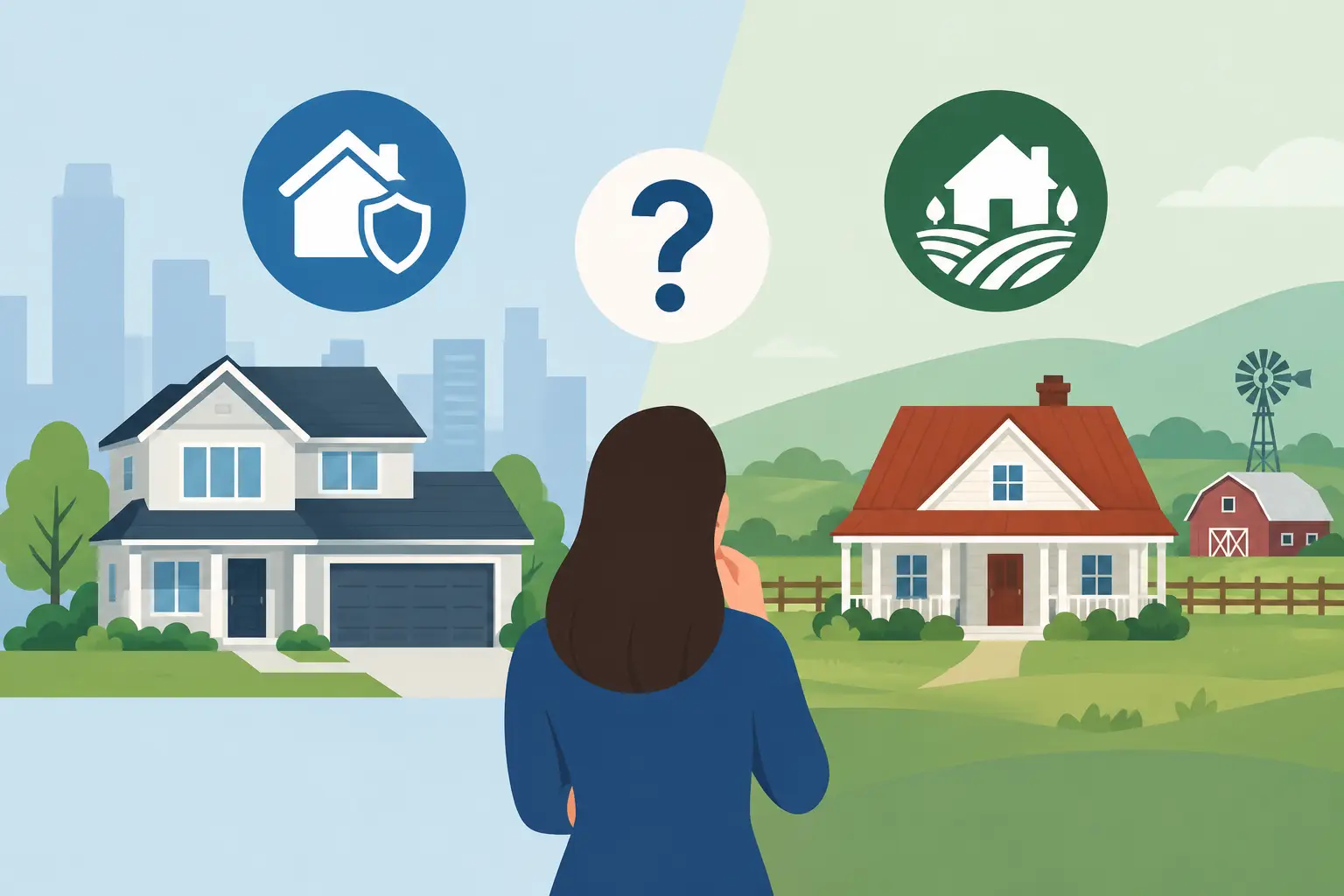
USDA loans are often misunderstood as loans strictly for farms or remote countryside homes. In reality, the USDA Single Family Housing Guaranteed Loan Program helps eligible buyers purchase primary residences in many small towns, suburban-edge communities, and rural areas. The home does not need acreage, and you do not need to be a farmer.
What Is a USDA Home Loan?
A USDA home loan is a mortgage backed by the U.S. Department of Agriculture and issued through approved lenders. The government guarantee helps lenders offer favorable terms to qualified borrowers who are buying in eligible areas.
The feature that gets the most attention is the potential for 100% financing. That means an eligible buyer may not need a down payment. Closing costs still exist, but depending on the situation, they may be paid with seller concessions, gift funds, or in some cases financed when the home’s appraised value supports it.
USDA loans are intended to support owner-occupied homeownership. They are not for vacation homes, rental properties, or homes purchased primarily as investments.
USDA Home Loan Guide: The Main Eligibility Rules
Qualification comes down to three things: the location of the property, your household income, and your overall ability to repay the mortgage. A loan officer can review all three early, which is far better than falling in love with a home that does not fit the program.
The home must be in an eligible area
USDA eligibility is based on a property map, not simply whether an address feels rural. Many communities outside major metro areas qualify, including locations that may have neighborhoods, schools, shopping, and reasonable commutes.
A property can be close to a city and still qualify. Conversely, a home with a rural-looking setting may not be eligible if it falls within an excluded area. Check the specific address before assuming a listing qualifies.
The property must also meet basic standards. It should be safe, structurally sound, and suitable as a primary residence. A modest single-family home is common, though certain condos and planned developments may be possible if they meet program requirements. Working farms, income-producing properties, and homes with features that create valuation or condition concerns can require additional review.
Household income matters, not just borrower income
USDA loans have income limits that are generally tied to the area’s median income and household size. A key distinction is that USDA often considers the income of adult household members, even if they will not be listed on the mortgage.
For example, if an adult child lives at home and earns an income but will not be a borrower, that income could still affect eligibility. Some deductions may apply for qualifying dependents, childcare expenses, or elderly household members. This is one reason a quick online estimate is not always enough.
Income limits vary by county and can change. Your lender should review your full household picture, the property’s location, and current program guidance before giving you a clear answer.
You need dependable credit and repayment ability
USDA does not set one universal credit score that every borrower must meet, but lenders may establish their own credit requirements. Strong credit can make approval easier, while a lower score does not automatically rule out the program. A lender will look at your payment history, outstanding debts, employment, income stability, and the full story behind any credit challenges.
Debt-to-income ratio also matters. This compares your monthly debt obligations with your qualifying income. There is no one number that guarantees approval because compensating factors can matter. Savings, stable employment, payment history, and a manageable housing payment may strengthen an application.
What Does a USDA Loan Cost?
No down payment does not mean no costs. Buyers should understand the full payment and cash-to-close picture before making an offer.
USDA guaranteed loans typically include an upfront guarantee fee and an annual fee. The upfront fee may be financed into the loan balance, while the annual fee is usually paid monthly as part of the mortgage payment. Fee amounts can change, so ask for current figures during your loan consultation.
Your monthly housing payment will generally include principal, interest, property taxes, homeowners insurance, and the USDA annual fee. If the home is in a community with a homeowners association, that dues payment should be included in your personal budget even when it is not collected with the mortgage.
Interest rates on USDA loans can be competitive, but the best option is not always the loan with the lowest advertised rate. Compare the rate, fees, projected payment, available seller concessions, loan term, and how each option fits your financial goals. A lower cash-to-close amount may be more valuable to one buyer, while another may prioritize a lower long-term payment.
How USDA Loans Compare With Other Low-Down-Payment Options
USDA financing is a strong fit when the property and income rules align, but it is not the only path to homeownership.
An FHA loan can be useful for buyers who need flexible credit guidelines or are purchasing in an area that is not USDA eligible. FHA loans require a down payment, often as low as 3.5% for qualified borrowers, and include mortgage insurance.
Conventional loans can offer low down payment options and may be particularly attractive for borrowers with stronger credit, sufficient savings, or a property outside USDA boundaries. Private mortgage insurance may be required with less than 20% down, though it can often be removed later when requirements are met.
For eligible veterans, service members, and certain surviving spouses, a VA loan may be the better zero-down choice. VA loans have their own occupancy, entitlement, and funding-fee rules, but they do not have monthly mortgage insurance.
The right loan depends on more than the down payment. Your location, credit profile, household income, reserves, property type, and future plans all deserve consideration.
The USDA Loan Process From Preapproval to Closing
Start with a conversation about your goals and your complete financial picture. Be prepared to provide pay stubs, W-2 forms, tax returns if applicable, bank statements, identification, and details about current debts or other real estate you own.
After reviewing your documentation, a lender can help determine whether USDA financing appears to fit and what payment range may be comfortable. A preapproval can give you a clearer budget and help demonstrate to sellers that you are a serious buyer.
Once you are under contract, the lender verifies the home’s USDA eligibility, orders an appraisal, reviews the title work and insurance, and completes underwriting. The appraisal is especially important because it confirms value and helps identify issues that may need attention before closing.
Avoid opening new credit accounts, financing furniture, changing jobs, or moving large unexplained deposits between accounts while your loan is in process. Even changes that seem routine can require additional documentation and may affect approval.
Common USDA Loan Questions
Can I use a USDA loan if I have owned a home before?
Yes. USDA loans are not limited to first-time buyers. The central requirement is that you will occupy the property as your primary residence and meet the program’s other eligibility rules. If you currently own another home, the details matter and should be reviewed carefully.
Can seller concessions help with closing costs?
Often, yes. Seller concessions may help cover eligible closing costs and prepaid expenses within program and loan limits. This can reduce the cash you need to bring to closing, but it depends on the contract, the appraisal, and the final loan structure.
Is a USDA loan slower than another mortgage?
It can be, but it does not have to be. Timing depends on the completeness of your documentation, property condition, appraisal scheduling, underwriting volume, and any required USDA review. Prompt communication and a responsive lending team help keep the process moving.
A USDA loan is not the right fit for every address or every household. But if you are buying in an eligible area and want to preserve your savings, it may be one of the most practical home financing options available. A thoughtful review with a loan professional can give you clarity before you start making offers – and help you move forward with confidence.

Related Posts