Learn how to qualify for mortgage approval with practical steps to improve credit, income, debt, and down payment before you apply.
How Much House Can You Afford?
A home can look perfect on paper and still feel too expensive the first month you own it. That is why the real question behind how much house afford is not just what a lender may approve. It is what fits your income, your goals, and your day-to-day life without stretching your budget too thin.
Many buyers start with a monthly payment in mind, then work backward. That is usually the right instinct. A home purchase touches far more than principal and interest. Property taxes, homeowners insurance, mortgage insurance, HOA dues, maintenance, utilities, and future repairs all affect whether a payment feels comfortable or stressful.
How much house afford depends on more than income
Income matters, but it is only one part of affordability. Two households with the same salary can have very different buying power. A buyer with no car payment and strong savings may be able to purchase more comfortably than someone earning the same amount while carrying student loans, credit cards, and childcare costs.
Lenders often begin with debt-to-income ratio, or DTI. This compares your monthly debt obligations to your gross monthly income. In general, a lower DTI gives you more flexibility and often a stronger loan profile. But a qualifying ratio is not the same as a comfortable budget. You may technically qualify for a payment that leaves very little room for saving, travel, emergencies, or normal family expenses.
That is where personal planning matters. If you want to keep contributing to retirement, build an emergency fund, or prepare for future expenses, the top end of your approval range may not be your best purchase price.
Start with the monthly payment, not the purchase price
A more practical way to answer how much house can you afford is to set a monthly housing number before you shop. That payment should include the full housing cost, not just the loan amount.
For most buyers, that means thinking in terms of PITI – principal, interest, taxes, and insurance. If your loan requires mortgage insurance, include that too. If the neighborhood has HOA dues, add those as well.
For example, a buyer may focus on a $350,000 home price, but what really matters is the monthly cost attached to that home. In one area, property taxes could make that payment manageable. In another, the same price point could push the payment hundreds of dollars higher each month. The purchase price alone does not tell the full story.
A good rule is to choose a payment that still leaves room in your budget after groceries, transportation, debt payments, childcare, savings, and regular spending. Homeownership should support your life, not crowd it out.
The biggest factors that shape affordability
Your income and employment
Stable income is the foundation of affordability. Salary, hourly wages, bonuses, commissions, self-employment income, and other sources may all play a role, but lenders review them differently. If part of your income varies from year to year, only a portion may count for qualifying.
From a personal budgeting standpoint, consistency matters as much as amount. If your income is seasonal or commission-based, it may be wise to leave more room in the budget instead of buying at your maximum approval limit.
Your existing debts
Minimum monthly payments on credit cards, auto loans, student loans, personal loans, and other financed obligations directly affect what you can qualify for. They also affect your comfort level once you own the home.
Paying off a small monthly debt before applying can sometimes improve affordability more than buyers expect. It will not always be the best move, especially if it drains your savings, but it is worth reviewing with a loan professional.
Your down payment
A larger down payment usually lowers your loan amount and monthly payment. It may also reduce or eliminate mortgage insurance depending on the loan structure. That said, putting every available dollar into the down payment is not always the strongest choice.
Many buyers benefit from keeping cash reserves for moving costs, repairs, furnishings, and emergencies. A lower down payment with healthy savings can be more sustainable than a larger down payment that leaves you financially exposed.
Interest rate
Even a modest rate change can have a meaningful effect on your monthly payment and purchase range. That is why buyers shopping at the edge of their budget may find that timing matters.
Rate also does not stand alone. Credit profile, loan type, down payment, occupancy, and property type can all influence pricing. A quick online estimate can help, but a personalized scenario is much more useful when you are making real decisions.
Taxes, insurance, and local costs
Property taxes vary widely by county and state. Homeowners insurance also depends on location, home value, and coverage needs. In some cases, flood insurance or higher hazard coverage may be necessary.
This is one reason home affordability can look different from Pittsburgh to Florida to Texas. Even if the home price is similar, the total payment may not be. Buyers relocating or comparing markets should pay close attention to these line items early in the process.
Why pre-approval and true affordability are not the same
A pre-approval is an important step because it gives you a realistic view of financing options and helps you shop with confidence. It also shows sellers that you are a serious buyer. But the pre-approval amount is not a target you must hit.
Think of it as your financing ceiling, not your recommended spending number. If your pre-approval says you can buy up to a certain amount, you still need to decide what payment level feels right for your household.
This is where personalized guidance makes a difference. A good loan officer does more than issue a letter. They help you compare loan options, review payment scenarios, and think through what fits both now and later.
A few common affordability mistakes
One of the biggest mistakes is focusing only on the mortgage payment and forgetting the other costs of ownership. Repairs do not wait for a convenient month. Utility bills may be higher than they were in a smaller rental. Furniture, lawn equipment, and routine upkeep add up quickly.
Another mistake is shopping before reviewing your full financial picture. Buyers sometimes fall in love with homes in a certain price range, then discover that taxes, insurance, or debts change what is actually workable.
A third mistake is assuming the cheapest monthly payment is always best. Some loan programs offer lower upfront costs, while others may reduce long-term expenses. The right fit depends on your credit, timeline, cash on hand, military eligibility, location, and homeownership goals.
How to figure out your number with confidence
Begin with your monthly take-home reality, not just your annual salary. Estimate what you want to keep for savings and other priorities each month, then identify a housing payment that still feels sustainable.
Next, look at your debts and cash available for closing costs, down payment, and reserves. If you are a first-time buyer, do not assume you need a huge down payment to get started. There may be low down payment options or loan programs that fit your situation better than expected.
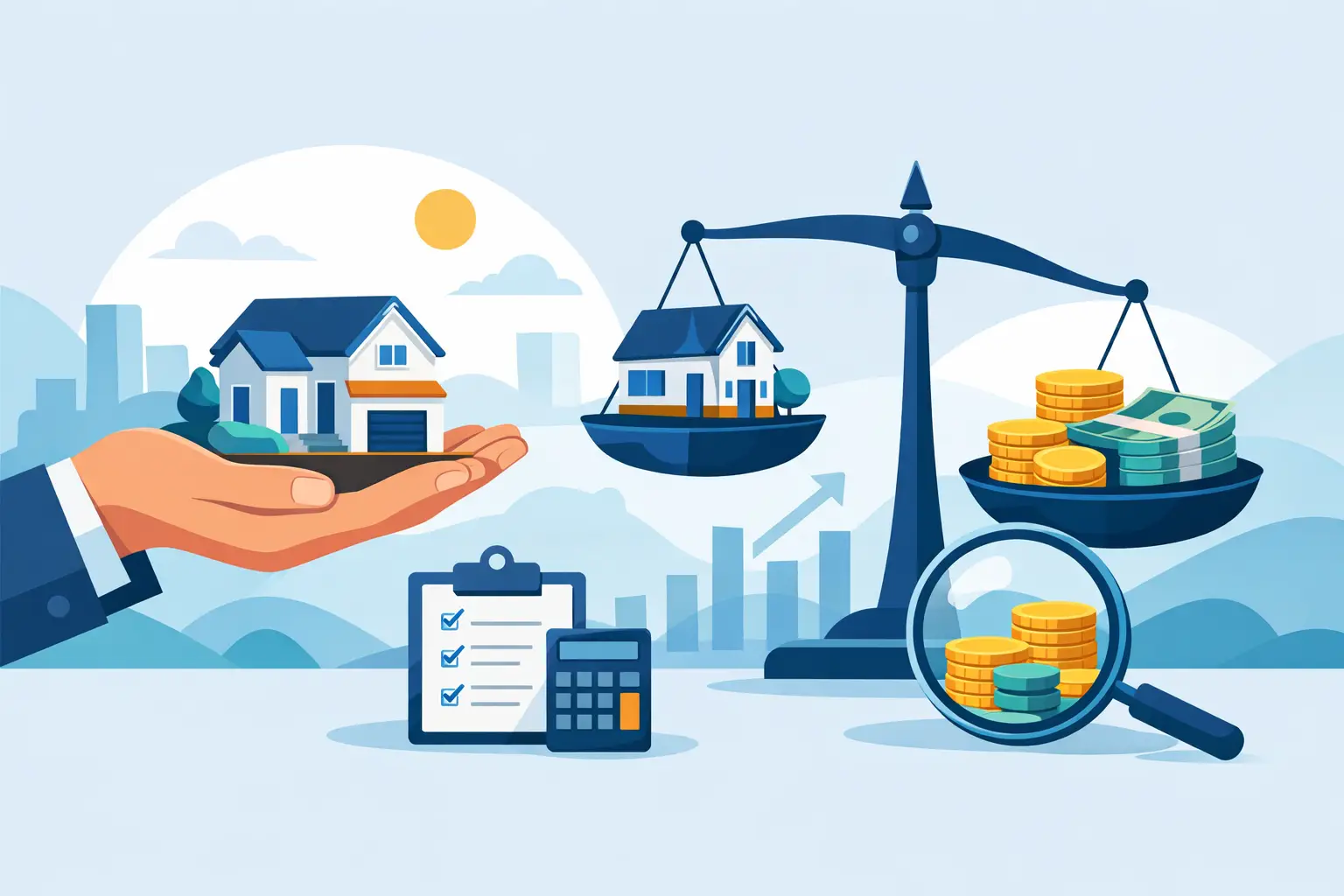
Then run a few side-by-side scenarios. Compare a lower home price with more cash reserves against a higher price with a tighter monthly budget. Compare different down payment levels. Compare a conventional option to FHA, VA, or USDA if you may be eligible. The goal is not simply to find the biggest loan. It is to find the most durable path to ownership.
For many buyers, the clearest next step is a conversation with an experienced mortgage professional who can turn rough estimates into real numbers. That is often where uncertainty starts to fade. Instead of guessing, you can see how credit score, debt, taxes, insurance, and loan type change your options.
At Red Tree Mortgage, that kind of guidance is part of the process. Buyers often need more than a calculator. They need someone who will walk through the numbers carefully, answer questions directly, and help them make a decision that feels wise, not rushed.
How much house afford should leave room for life
The strongest homebuying decision is not the one that stretches you to the highest possible price. It is the one that supports stability, peace of mind, and the life you want to build inside the home.
If your payment allows you to handle repairs, enjoy your space, and keep moving toward your other financial goals, that home is far more likely to feel affordable long after closing day. That is the number worth trusting.

Related Posts