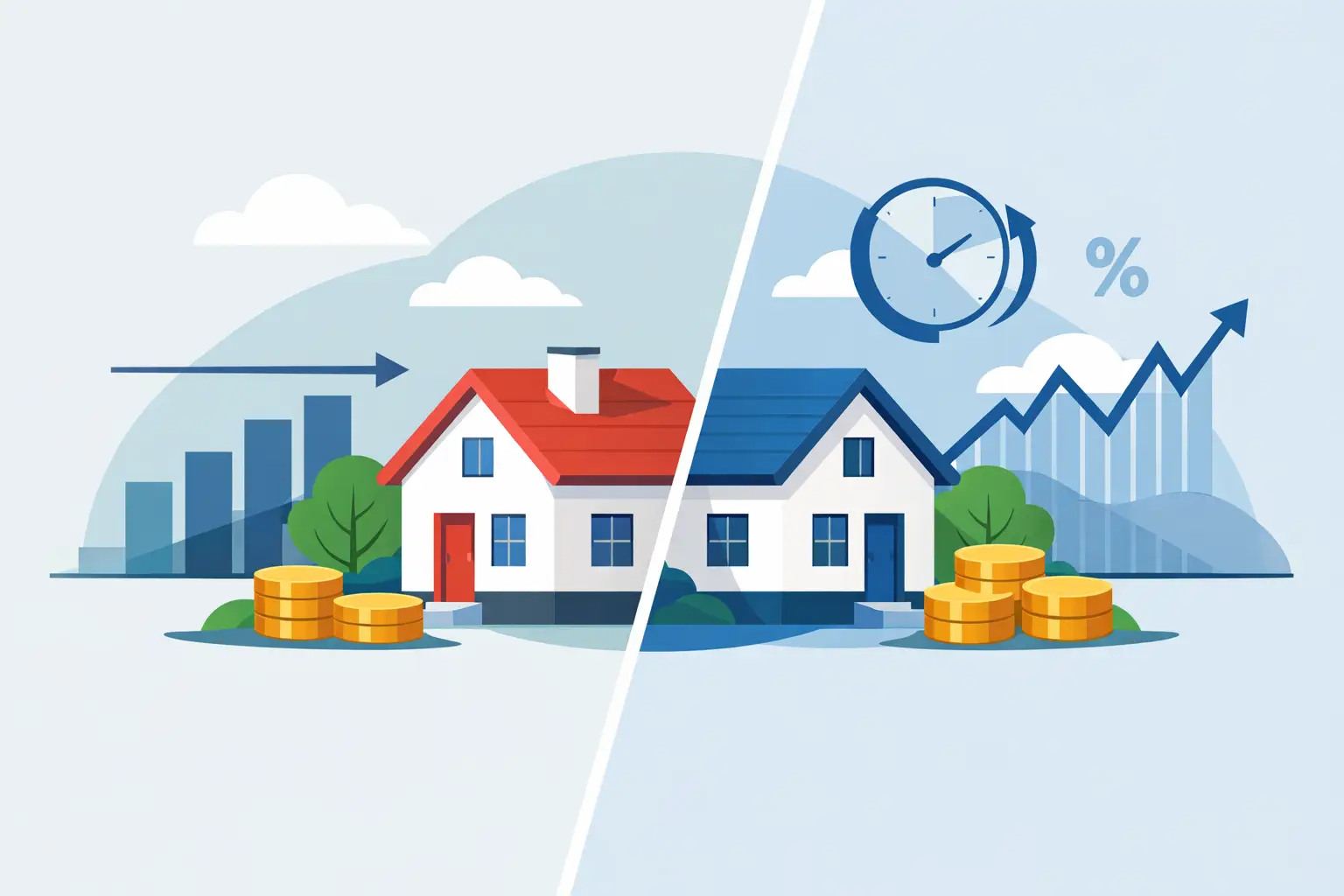
Compare a fixed vs adjustable mortgage, understand payment risk and rate changes, and choose a home loan that supports your plans with confidence today.
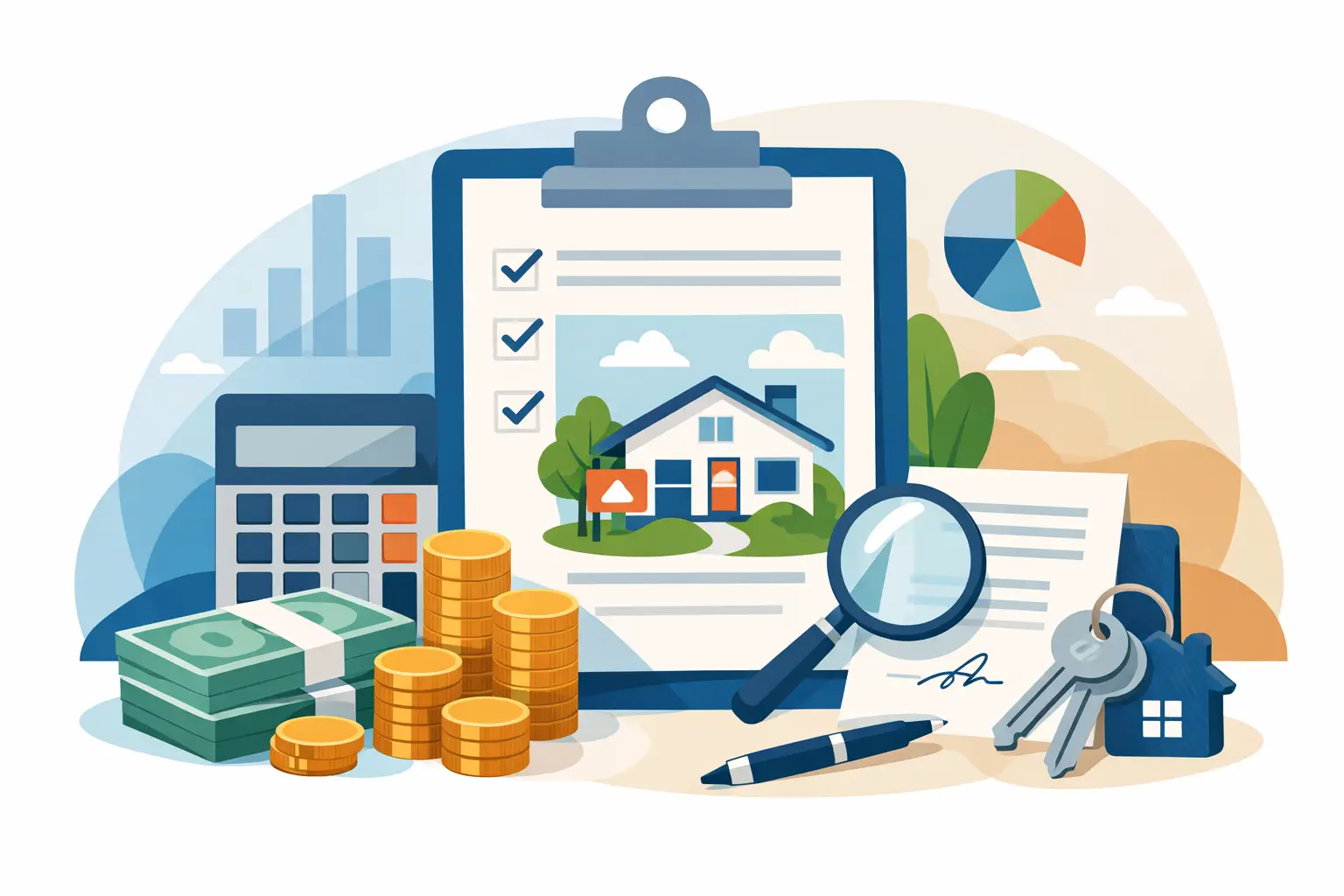
How to Budget Closing Costs Without Surprises
The number that catches many buyers off guard is not the down payment. It is the amount listed as cash to close after inspections, appraisal, loan fees, title work, insurance, and prepaid taxes are added together. Knowing how to budget closing costs early gives you room to make decisions with confidence instead of scrambling during the final week before settlement.
Closing costs are real, necessary parts of buying a home, but they are not one fixed number. Your loan type, purchase price, property location, lender, insurance costs, and closing date all affect what you will need. A thoughtful plan starts with a realistic estimate, then leaves a little breathing room for changes along the way.
Start With the Difference Between Closing Costs and Cash to Close
Buyers often use these terms interchangeably, but they are not the same. Closing costs are the fees and prepaid items connected to finalizing your mortgage and transferring ownership. They may include lender charges, an appraisal, credit report, title services, recording fees, mortgage insurance, homeowner’s insurance, and property tax reserves.
Cash to close is the total amount you need to bring to settlement. It generally includes your down payment plus closing costs, minus your earnest money deposit, seller credits, lender credits, and any other approved credits. If you already paid $5,000 in earnest money when your offer was accepted, that amount usually counts toward your cash-to-close requirement.
This distinction matters because a buyer who saves only for a 10% or 20% down payment may still be short at closing. Ask your loan officer to show both figures clearly from the beginning.
Estimate How Much to Budget for Closing Costs
A common planning range is about 2% to 5% of the purchase price for closing costs and prepaid expenses combined. That range is useful for an early estimate, not a promise. On a $300,000 home, for example, setting aside roughly $6,000 to $15,000 may be prudent depending on the loan, location, and timing.
The lower or higher end can be appropriate for different borrowers. A VA loan may limit certain borrower-paid charges, while a loan with discount points can increase upfront costs. A property with higher taxes or insurance premiums may require a larger initial escrow deposit. Buying near the end of a tax cycle or prepaying a full year of homeowners insurance can also change the number.
Rather than saving for the lowest possible figure, set a working target near the middle or upper portion of the range until you have a loan estimate. A little extra cash is far easier to redirect toward moving expenses, repairs, or future principal payments than it is to find days before closing.
Do Not Forget Prepaids and Escrow Funding
Some of the biggest items on a closing disclosure are not lender fees. Prepaid costs cover expenses that must be paid in advance, such as homeowners insurance, daily mortgage interest from your closing date through month-end, and sometimes property taxes.
If your mortgage includes an escrow account, your lender may also collect an initial cushion for future tax and insurance bills. This is not necessarily a fee paid to the lender. It is money set aside to help ensure those bills can be paid when due. Still, it affects how much cash you need at settlement.
Use Your Loan Estimate as a Budgeting Tool
After you apply for a mortgage and provide the required information, you should receive a Loan Estimate. This document is one of the most valuable tools for budgeting because it organizes projected loan costs, other costs, prepaids, estimated cash to close, and monthly payment details in one place.
Review it with care. Look beyond the interest rate and focus on these questions: What is the estimated cash to close? Which costs are lender charges? Which are third-party costs? Are there discount points? How much is being collected for insurance, taxes, and escrow?
Some charges can change as details become final, while others are subject to limits under federal rules. Your loan officer can explain what is driving each estimate and whether there are choices that may affect the total. For example, you may be able to select certain settlement service providers, or decide whether paying discount points makes sense for your goals.
When you receive the Closing Disclosure near settlement, compare it line by line with your Loan Estimate. If something changed, ask why. A clear answer is more useful than assuming a higher total is an error or, just as importantly, assuming it cannot be questioned.
Build a Separate Closing Fund
Treat your down payment and closing funds as two separate savings goals. This simple approach keeps you from accidentally spending money earmarked for settlement while you are budgeting for furniture, moving trucks, or early repairs.
Once you have a target, divide it by the number of months until you expect to buy. If you want to reserve $10,000 for closing costs within 10 months, that is $1,000 per month. If that pace is not realistic, the answer may be to adjust the home price range, extend the timeline, explore assistance programs, or review loan options with a mortgage professional.
Keep the funds in an account that is easy to document and access. Avoid large unexplained deposits, cash transfers, or moving money between accounts without records during the mortgage process. Lenders are required to verify assets, and documentation helps prevent unnecessary delays.
Account for the Costs Before Closing Day
Not every homebuying expense appears in your final cash-to-close figure. You may pay for an inspection, appraisal, earnest money, or application-related charges before settlement. Depending on the transaction, some may be credited back or reflected later, but you should still plan for the timing of those payments.
A practical homebuying budget has three buckets: funds due before closing, funds due at closing, and money reserved after closing. That last bucket matters. A new home can bring immediate needs, from a locksmith and utility deposits to a repair the inspection revealed. Closing with every available dollar can leave even a well-qualified buyer feeling stretched.
Explore Credits Carefully, Not Automatically
Seller concessions, lender credits, and buyer assistance programs can reduce your out-of-pocket closing expense. They can be helpful, especially for first-time buyers who have stable income but need to preserve savings. Yet each option comes with conditions and trade-offs.
A seller credit must be part of the purchase agreement and stay within loan program limits. It can usually be used for eligible closing costs and prepaids, but it generally cannot become cash back to the buyer. If credits exceed allowable costs, some of their value may be lost.
A lender credit can reduce upfront costs, but it may come with a higher interest rate. Whether that is worthwhile depends on your budget, how long you expect to keep the mortgage, and your comfort with the monthly payment. It is not automatically good or bad. Ask to compare the cash-to-close amount, payment, and long-term interest cost across more than one scenario.
For eligible borrowers, programs such as VA, FHA, USDA, and certain state or local assistance options can change the upfront-cost picture. The best fit depends on your financial profile and property goals, not just the smallest number on one estimate.
Keep Your Plan Flexible Until the Closing Disclosure
Your final total can move for legitimate reasons. A closing date change may add daily interest. An insurance quote may come in higher than expected. Property taxes can be adjusted between buyer and seller based on local billing schedules. A repair agreement or appraisal issue can also lead to a revised contract or credit.
That is why it is wise to maintain a cushion beyond the estimated cash to close. A reserve of a few hundred to a few thousand dollars, depending on your price range and comfort level, can make normal adjustments manageable. Your loan officer and real estate agent should keep you informed as numbers become more precise.
Buying a home should feel exciting, not financially uncertain. When you budget closing costs alongside your down payment, ask questions early, and protect a small post-closing reserve, you give yourself more choices throughout the transaction. A responsive mortgage professional can help you review the numbers in plain language so you can move toward closing prepared and at peace.

Related Posts