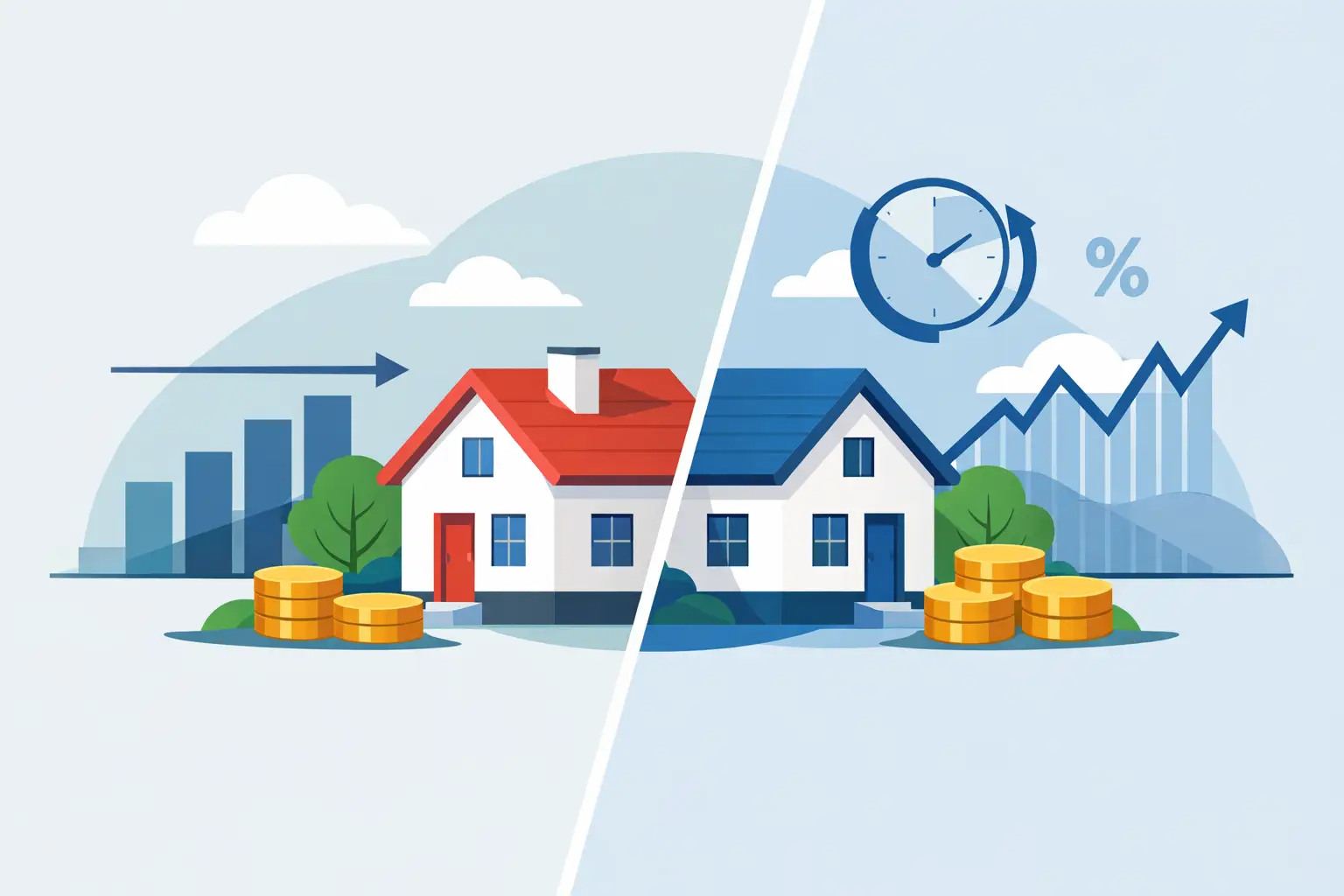
Compare a fixed vs adjustable mortgage, understand payment risk and rate changes, and choose a home loan that supports your plans with confidence today.

How VA Loans Can Bring Your Next Home Closer
For eligible veterans, active-duty service members, and qualifying surviving spouses, VA loans can change the starting point of a home purchase. A buyer who assumed they needed years to save a large down payment may have a more immediate path to ownership. The benefit is meaningful, but the best results still come from understanding how the loan works, what it costs, and how it fits the home and budget you have in mind.
A VA loan is not simply a conventional mortgage with a military label. It is a mortgage backed in part by the U.S. Department of Veterans Affairs and made by approved private lenders. That VA guaranty helps lenders offer favorable terms to qualified borrowers, often with less money needed upfront.
What Makes VA Loans Different?
The feature many borrowers know first is the potential for zero down payment. For a qualified buyer purchasing within their available entitlement, a VA loan may allow financing for the full purchase price without private mortgage insurance, commonly called PMI. Avoiding a monthly PMI charge can make a real difference in affordability.
VA loans also tend to offer competitive interest rates. Rates are never automatic or identical for every borrower. They depend on market conditions, credit profile, loan type, occupancy, and lender pricing. Still, the VA guaranty can give lenders more flexibility than they may have with some other loan programs.
The program is designed for primary residences. That means it can help you buy a house, condominium, townhome, or eligible manufactured home you intend to live in, but it is generally not the right financing tool for a vacation property or a purely investment-focused purchase. A borrower can later rent out a home purchased with a VA loan after meeting occupancy requirements, but the original intent must be to occupy the property as a primary home.
Who Can Use a VA Loan?
Eligibility is based on military service, not just veteran status. Active-duty service members, veterans, National Guard and Reserve members, and certain surviving spouses may qualify. Service requirements vary based on when and how a person served, so the first practical step is obtaining a Certificate of Eligibility, or COE.
The COE confirms to the lender the amount of VA entitlement available to you. Entitlement is the portion of the loan the VA guarantees, and it is central to determining whether a down payment may be needed. Many borrowers who have never used the benefit, or who have restored entitlement after selling a prior VA-financed home, can buy with no down payment when the purchase meets program requirements.
Eligibility alone does not equal approval. Lenders still review income, employment, credit history, assets, debts, and the property itself. The VA program looks closely at residual income, which is the money left after major monthly obligations and estimated living expenses. This approach recognizes that qualifying for a payment on paper is different from having enough room in the budget to live comfortably after closing.
Your credit does not have to be perfect
There is no single VA-issued minimum credit score that applies to every lender. A lender may set its own credit standards, and the full credit story matters more than one number. Stable income, a record of paying obligations on time, manageable debt, and clear explanations for past credit events can all matter.
If your credit needs work, it may be wise to pause before applying. Paying down revolving balances, avoiding new debt, and correcting reporting errors can strengthen your options. A knowledgeable loan officer can help you understand whether you are ready now or what changes could put you in a better position later.
The Costs to Plan for Before You Buy
Zero down does not mean zero cost. Like other mortgages, VA loans involve closing costs, prepaid taxes and insurance, appraisal fees, title-related charges, and other transaction expenses. The exact amount depends on the property, loan size, location, and timing of the closing.
There is also usually a VA funding fee. This one-time fee supports the loan program and helps keep it available without requiring monthly mortgage insurance. The amount can vary based on factors such as whether it is your first use of the benefit, the size of any down payment, and the type of VA loan. Eligible veterans receiving compensation for a service-connected disability, along with certain other borrowers, may be exempt from the funding fee.
The funding fee can often be financed into the loan amount rather than paid in cash at closing. That preserves savings upfront, but it also increases the loan balance and interest paid over time. This is one of those decisions where the right answer depends on your cash reserves, monthly payment goals, and long-term plans.
Sellers may be allowed to pay certain buyer costs within VA guidelines, and a lender credit may be available in some pricing scenarios. Neither should be assumed. Seller concessions can be part of a strong offer, but in a competitive market they need to be weighed against price, appraisal considerations, and the seller’s priorities.
Buying a Home With a VA Loan
A preapproval should come before serious house hunting. It gives you a realistic price range and allows a loan officer to review your income, debts, assets, and eligibility early. It also helps you avoid a common mistake: focusing only on the maximum amount you can qualify for instead of the payment that supports the life you want to live.
Once you are under contract, the lender orders a VA appraisal. The appraisal establishes an opinion of value and checks whether the property meets VA minimum property requirements. These standards are meant to protect the buyer from purchasing a home with serious safety, structural, or livability concerns.
That protection is valuable, although it can add complexity when a property needs repairs. Peeling paint, faulty systems, roof concerns, or inadequate access may need attention before closing. A home that is a good candidate for a renovation loan may not be the easiest fit for a standard VA purchase loan. Your real estate agent and loan officer can help you evaluate that issue before you become deeply committed to a property.
The appraisal is not a full home inspection. Buyers should still arrange an independent inspection whenever possible. An inspector can provide a more detailed look at the home’s condition, systems, maintenance needs, and potential future costs.
VA Refinancing Options for Homeowners
VA loans can also serve homeowners who already own a property. A VA Interest Rate Reduction Refinance Loan, often called an IRRRL, may help an existing VA borrower lower the interest rate, change the loan term, or move from an adjustable-rate mortgage to a fixed-rate loan. Documentation and appraisal requirements can be lighter in some cases, though every refinance still needs to produce a tangible benefit for the borrower.
A VA cash-out refinance is another option. It may allow an eligible homeowner to replace an existing mortgage and access part of their available equity. This can be used for goals such as consolidating higher-interest debt, funding major home improvements, or creating a financial reserve. It also means converting home equity into debt, so it deserves careful thought. A lower rate alone does not make a refinance worthwhile if the new loan term, closing costs, or increased balance work against your long-term goals.
Questions Worth Asking Before You Commit
Before choosing a loan, ask for a clear breakdown of the interest rate, annual percentage rate, estimated cash to close, funding fee, monthly payment, and how long the payment will remain comfortable if taxes or insurance increase. Ask how your entitlement is being used and whether a down payment would improve your pricing or preserve entitlement for a future purchase.
It is also reasonable to ask how accessible your loan team will be when questions come up. Mortgage decisions move quickly once an offer is accepted. Clear answers, accurate expectations, and timely communication are not extras. They are part of protecting your purchase.
At Red Tree Mortgage, the goal is to make the numbers understandable before you make a commitment. Your VA benefit was earned through service. Take the time to review your options with someone who will treat the decision with the care it deserves, so your next home feels like a confident step forward rather than a financial guess.

Related Posts