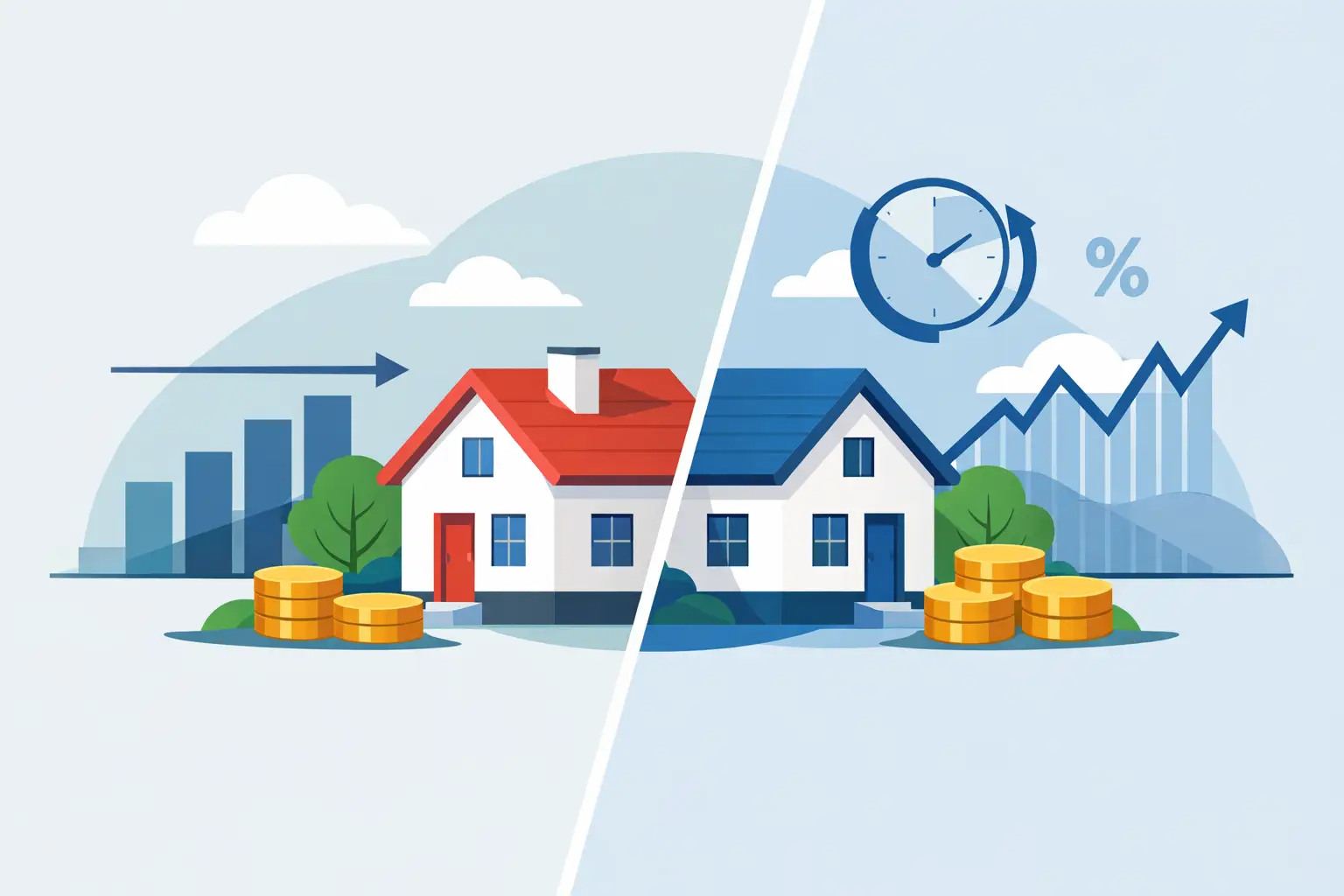
Compare a fixed vs adjustable mortgage, understand payment risk and rate changes, and choose a home loan that supports your plans with confidence today.
Mortgage Rate Trends Homebuyers Should Watch
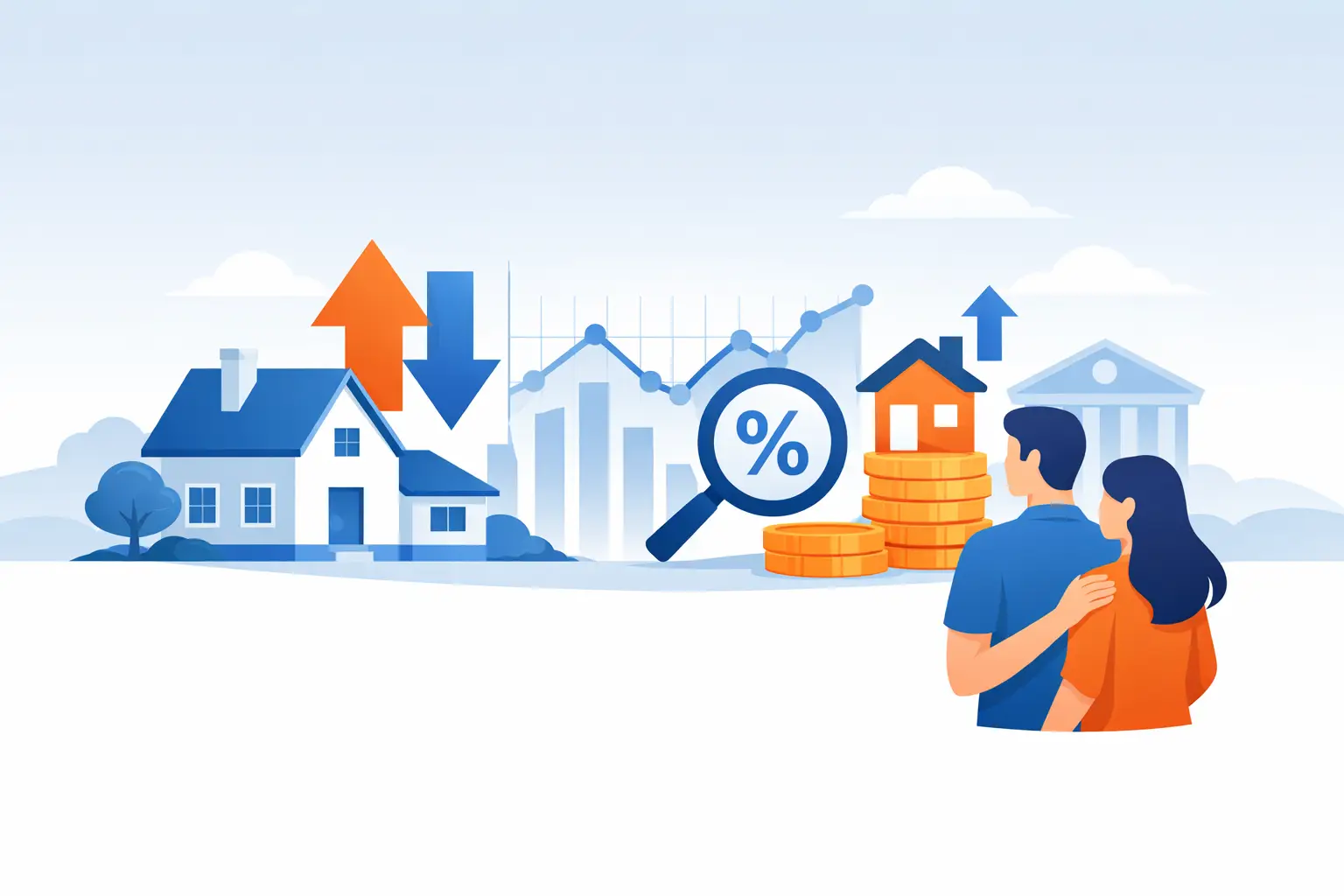
A change of even half a percentage point can reshape a homebuyer’s monthly payment, purchasing power, and comfort level with a loan. That is why mortgage rate trends deserve attention well before you tour homes or submit a refinance application. The goal is not to predict every market move. It is to understand what rates can mean for your options and make decisions with a clear plan.
For many families, the right mortgage decision is less about finding the absolute lowest rate on a single day and more about choosing a loan that fits their budget, time frame, and long-term goals. A knowledgeable loan officer can help put the headlines in perspective.
What Drives Mortgage Rate Trends?
Mortgage rates do not move in a straight line, and they do not track the Federal Reserve’s actions point for point. The Fed’s decisions can influence the broader cost of borrowing, but mortgage rates are more closely tied to the bond market, particularly mortgage-backed securities. When investors expect inflation to remain elevated or economic uncertainty to increase, mortgage rates can rise. When inflation data cools or investors seek safer assets, rates may ease.
Several forces tend to influence the direction of rates at the same time. Inflation is a major factor because lenders and investors need returns that account for the future buying power of money. Employment reports, consumer spending, economic growth, geopolitical events, and financial market volatility can also affect rate movement.
This is why a positive headline about a potential rate cut does not automatically mean mortgage pricing will improve that afternoon. Markets often react to expectations before an announcement occurs. They can also change quickly when new data tells a different story.
For borrowers, the practical takeaway is simple: watch the broader direction, but do not build your entire homebuying plan around a rate forecast. A home that fits your finances today may be a better opportunity than waiting indefinitely for a perfect market that may not arrive on your schedule.
How Rates Affect Your Buying Power
Your interest rate is one part of your mortgage payment, alongside principal, property taxes, homeowners insurance, and, in some cases, mortgage insurance or homeowners association dues. Still, it is a meaningful part. As rates rise, the same loan amount generally produces a higher monthly principal-and-interest payment. If rates fall, that payment may become more manageable.
Consider a buyer financing $350,000 with a 30-year fixed-rate loan. A rate difference of one percentage point can change the monthly principal-and-interest payment by several hundred dollars. That can affect the price range you qualify for, the amount you are comfortable spending, or how much cash you want to keep available after closing.
The effect is personal. A buyer with a larger down payment, strong income, and limited monthly debt may have more flexibility than someone purchasing their first home with a tighter budget. This is also why preapproval matters. It gives you a realistic view of your potential payment rather than relying on a home price alone.
A lower rate is valuable, but it should not be considered in isolation. A loan with a lower advertised rate may require discount points, a larger upfront cost, or terms that do not align with how long you expect to own the home. Reviewing the loan estimate and discussing several scenarios can reveal which option makes the most sense for your household.
Fixed Rates and Adjustable Rates Solve Different Problems
A fixed-rate mortgage offers payment stability for the life of the loan. If market rates rise after you close, your principal-and-interest payment does not change. For buyers who plan to remain in their home for years or who value predictability, that consistency can be reassuring.
An adjustable-rate mortgage, or ARM, may begin with a lower rate for a defined introductory period before it can adjust. It may fit a borrower who expects to sell, move, or refinance before the initial fixed period ends. But it also requires a clear understanding of adjustment caps, timing, and the possibility of a higher payment later.
Neither option is automatically better. The right choice depends on your expected time in the home, your tolerance for payment changes, and the available loan terms. A conversation about your plans is just as important as a conversation about the rate.
When Should You Lock a Mortgage Rate?
A rate lock protects your quoted rate for a set period while your loan moves toward closing. Lock periods vary, often lasting 30, 45, or 60 days, and longer locks may carry different pricing. Once locked, your rate is generally protected from market increases during that period, provided the loan details remain the same and you close before the lock expires.
Locking can bring peace of mind when you have a signed purchase agreement and a payment that works for your budget. It removes the pressure of watching every daily market change. The trade-off is that if rates improve after you lock, you may not automatically receive the lower rate. Some programs or lenders may offer float-down options under certain conditions, but borrowers should understand the rules before relying on one.
Floating, or waiting to lock, can make sense when closing is still far away or when you and your loan officer have a specific reason to believe market conditions may improve. It also carries risk. Rates can move higher with little warning, especially around major economic reports.
Rather than asking whether it is the perfect day to lock, ask a more useful question: if rates rose tomorrow, would the current payment still work for my plan? If the answer is no, protecting the payment you can afford may be the wiser decision.
Mortgage Rate Trends Matter Differently for Refinancing
Homeowners often watch rates for a possible refinance, but a lower rate alone does not determine whether refinancing is worthwhile. Closing costs, the new loan term, your remaining loan balance, and your future plans all matter.
For example, refinancing from a 30-year mortgage into another 30-year loan may reduce the monthly payment, but it can also extend the time you spend paying interest. Choosing a shorter term could help you pay off the home sooner, though the monthly payment may be higher. A cash-out refinance can provide funds for a renovation, debt consolidation, or another purpose, but it increases the amount secured by your home.
It helps to look at the break-even point: how long it takes for monthly savings to offset the costs of refinancing. If you expect to move before that point, the refinance may not deliver the value you hoped for. On the other hand, refinancing can still be worthwhile when it removes mortgage insurance, improves loan terms, changes an adjustable rate to a fixed rate, or supports a financial goal beyond a lower payment.
How to Prepare When Rates Are Moving
Market conditions are outside your control. Your financial readiness is not. Strengthening your credit profile, reducing revolving debt where possible, avoiding large new purchases before closing, and keeping documentation organized can help you present a stronger loan application.
It is also wise to keep your payment target grounded in real life. Include taxes, insurance, utilities, maintenance, and your other financial priorities. A lender may approve a certain amount, but the best mortgage payment is one that leaves room for savings, family needs, and unexpected expenses.
First-time buyers may find that FHA or low-down-payment options create a path to ownership sooner. Eligible veterans and service members may benefit from VA financing. Buyers in qualifying rural areas can explore USDA loans, while those purchasing higher-priced homes or investment properties may need a different structure. Rate trends affect each of these choices, but loan eligibility, costs, and long-term fit matter just as much.
At Red Tree Mortgage, the focus is on helping borrowers compare the numbers in a way that feels clear and personal, not rushed. A payment scenario can show how different rates, down payments, loan terms, and closing-cost choices may affect your decision.
The market will continue to change. Your next step does not have to wait for certainty. When you understand your budget, your loan choices, and the trade-offs behind the rate, you can move forward with confidence when the right home or refinance opportunity appears.

Related Posts