Learn how to budget closing costs, estimate cash needed at closing, compare loan estimates, and protect your homebuying funds from last-minute surprises.
How Home Purchase Finance Rates Work
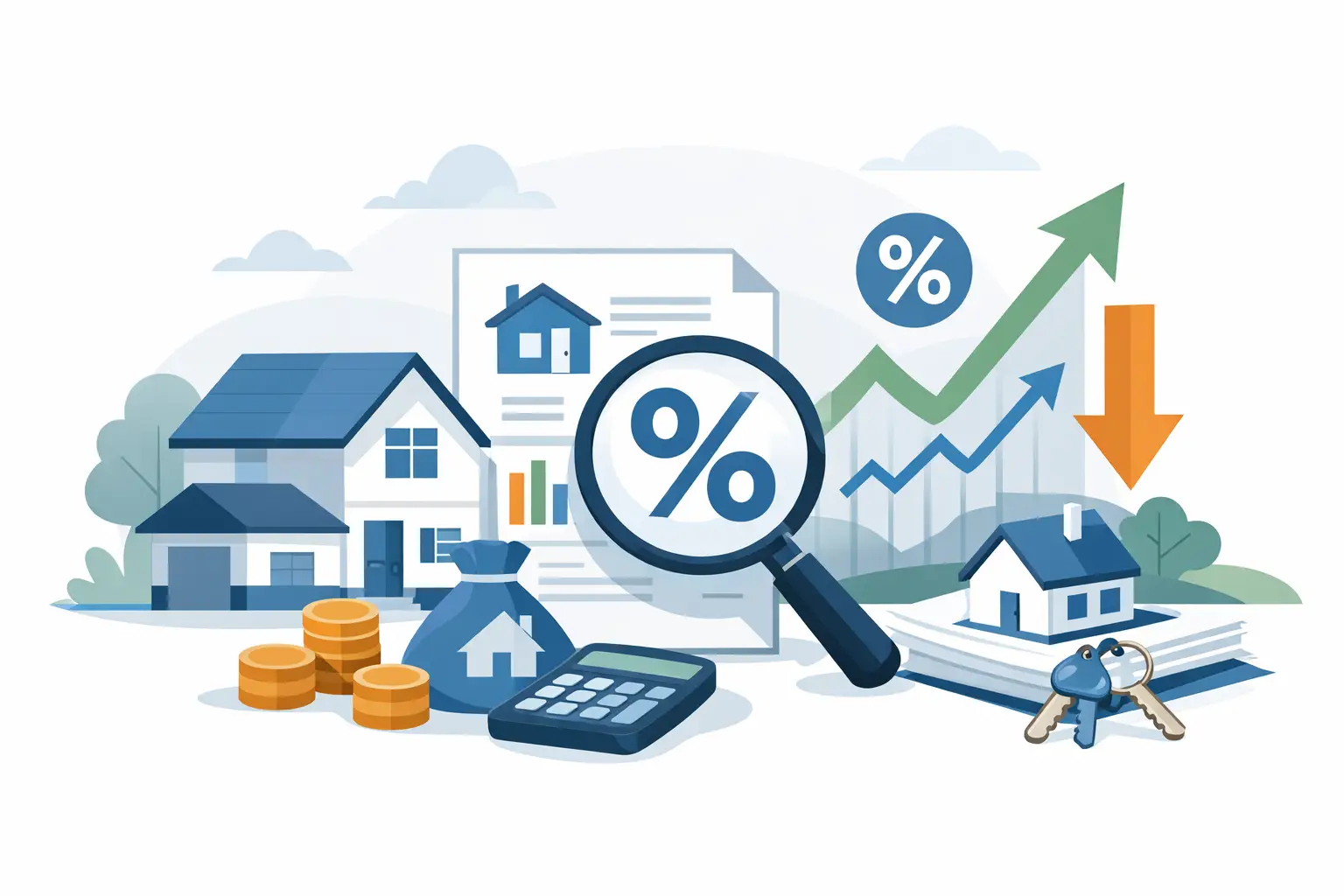
A buyer can look at the same house, the same price, and the same down payment as someone else – and still get a meaningfully different monthly payment. That is why home purchase finance rates matter so much. A small rate difference can change affordability, buying power, and even whether a home still fits comfortably in your budget after closing.
If you are shopping for a mortgage, the rate you see online is only part of the picture. Your final offer depends on market conditions, your financial profile, the loan type you choose, and the structure of the deal itself. Understanding those moving pieces helps you ask better questions, compare options more clearly, and make a decision that fits your long-term plans.
What home purchase finance rates actually mean
When people talk about mortgage rates, they are usually referring to the interest rate charged on the loan you use to buy a home. That rate affects how much interest you pay over time and what your monthly principal and interest payment looks like.
But rate alone is not the whole cost of borrowing. A loan with a lower rate may come with higher upfront fees or points. Another loan may have a slightly higher rate but lower closing costs. This is where annual percentage rate, or APR, becomes useful. APR gives you a broader view of cost by including certain fees along with the interest rate.
That said, APR is not perfect for every comparison. If you do not plan to keep the mortgage for many years, paying points to lower the rate may not make financial sense. The best loan is not always the one with the lowest advertised number. It is the one that matches your budget, time horizon, and comfort level.
What affects home purchase finance rates
Some factors are outside your control, and some are very much within it.
The broader market has a major influence. Mortgage rates often move based on inflation, bond market activity, Federal Reserve policy signals, and overall economic expectations. Lenders reprice based on those conditions, sometimes daily and sometimes more than once in the same day.
Your personal qualifications also matter. Credit score is one of the biggest factors because it helps lenders evaluate repayment risk. In general, stronger credit profiles tend to receive more favorable pricing. Debt-to-income ratio can also affect your offer, especially if your monthly obligations are already high compared with your income.
Down payment plays a role too. A larger down payment can reduce lender risk and may improve pricing. But this is not always a simple bigger-is-better equation. Some borrowers are better served by keeping more cash in reserve for repairs, moving costs, or emergency savings rather than putting every available dollar into the down payment.
Property type and occupancy matter as well. A primary residence often receives better pricing than a second home or investment property. A single-family home may price differently than a condo. Loan amount can also shift the rate, especially if you are looking at jumbo financing.
Fixed versus adjustable rates
One of the most important choices in any purchase transaction is whether you want a fixed-rate mortgage or an adjustable-rate mortgage.
A fixed-rate mortgage keeps the interest rate the same for the life of the loan. That predictability is why many buyers prefer it. Your principal and interest payment stays consistent, which makes budgeting easier over time.
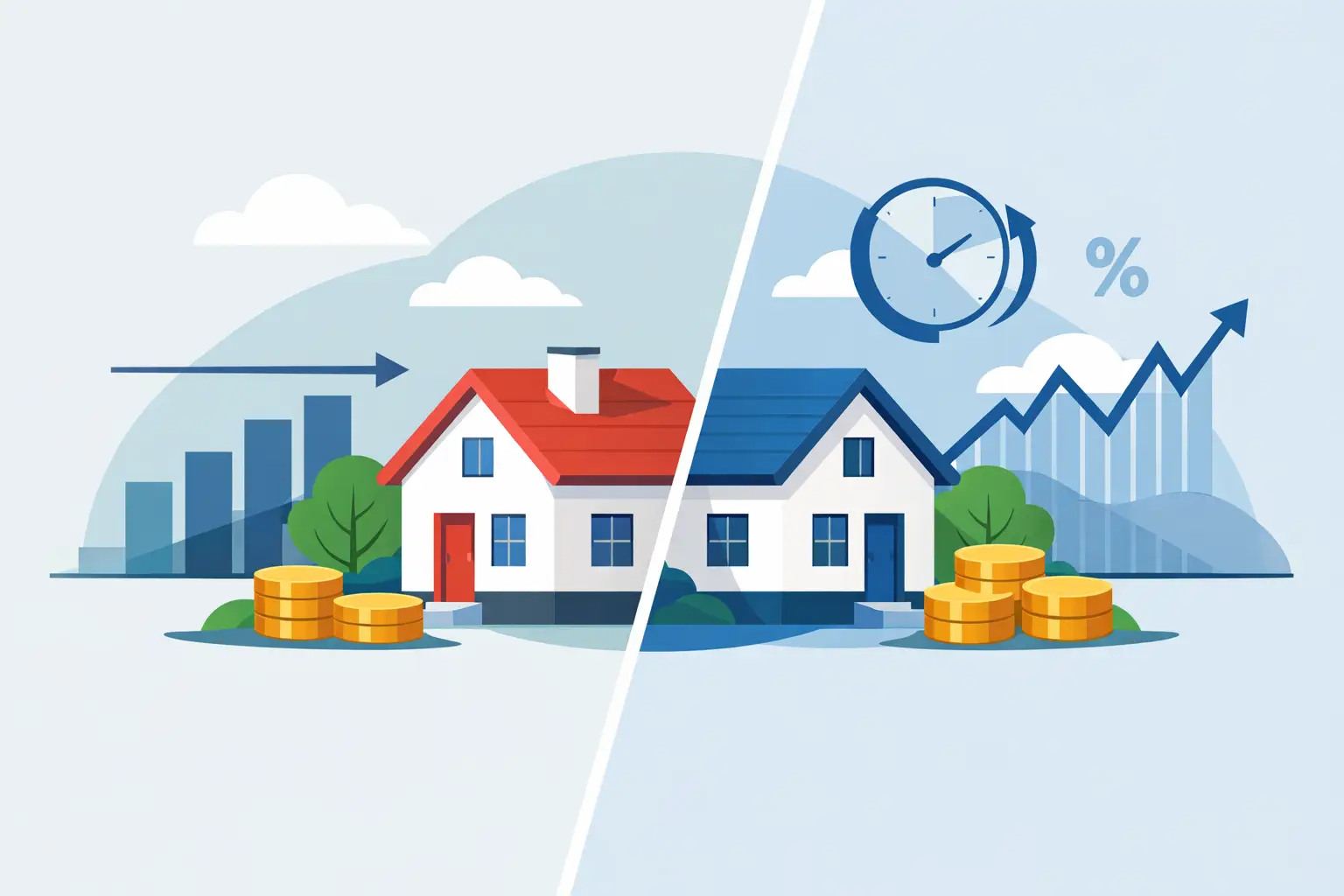
An adjustable-rate mortgage, or ARM, starts with a fixed rate for an introductory period and then adjusts based on market terms in the loan agreement. An ARM may offer a lower initial rate than a fixed mortgage, which can help with short-term affordability. That can be useful if you expect to move, sell, or refinance before the adjustment period begins.
The trade-off is future uncertainty. If rates rise later, your payment can increase. For some borrowers, the lower initial payment is worth that risk. For others, payment stability matters more than short-term savings.
Loan type changes the rate too
Not all mortgage products are priced the same, even for the same borrower.
Conventional loans are a common fit for buyers with solid credit and stable income. FHA loans can be especially helpful for first-time buyers or those with lower credit scores, though mortgage insurance costs need to be considered along with the rate. VA loans often offer strong value for eligible veterans and service members, sometimes with competitive pricing and no down payment requirement. USDA loans can also create affordable paths to homeownership in eligible rural areas.
Then there are jumbo loans, rehab loans, and financing for investment properties, each with their own pricing considerations. A lower rate on one loan type does not automatically mean it is the better deal overall. Mortgage insurance, funding fees, reserve requirements, and property condition standards can all influence the true cost and fit of the loan.
Why your quoted rate may change
Many buyers are surprised when a rate quote changes from one day to the next. That does not always mean something went wrong. Mortgage pricing moves with the market, and timing can make a real difference.
Your quote can also change if the details of your application change. A lower appraisal, a different loan amount, a change in credit, or updated income documentation can all affect the final terms. Even the length of your rate lock matters. Locking for more days may cost more than a shorter lock period.
This is why clear communication with your loan officer matters. A good lender does more than provide a number. They explain the assumptions behind the quote so you understand what is firm, what may change, and when it makes sense to lock.
How to compare home purchase finance rates the smart way
The cleanest comparison happens when you line up the same loan structure from one quote to another. Compare the same loan type, term, occupancy, down payment, and lock period. If one quote includes points and another does not, the rate comparison is not apples to apples.
Ask how much cash is due at closing. Ask whether discount points are included. Ask for the monthly payment estimate including principal, interest, taxes, insurance, and mortgage insurance if applicable. A slightly lower rate can lose its appeal if the upfront cost is too high or if the loan structure is less flexible for your situation.
It is also wise to think beyond the first month. If you plan to stay in the home for a long time, paying points to secure a lower rate may be worthwhile. If this is a starter home and you expect to move in a few years, preserving cash and avoiding extra upfront cost may be the better decision.
How to improve your rate before you buy
If you are still in the planning stage, there may be ways to strengthen your position before you make an offer.
Improving your credit score can help, especially if you are close to a pricing threshold. Paying down revolving debt may also lower your debt-to-income ratio and improve your profile. Building a larger down payment can open up more options, but only if it does not leave you financially stretched after closing.
You should also avoid major financial changes during the mortgage process. Opening new credit accounts, financing a vehicle, changing jobs, or making unexplained large deposits can create complications. Consistency helps your loan move more smoothly and protects the terms you were quoted.
Pre-approval is another practical step. It gives you a clearer sense of what you can afford and shows sellers you are serious. More importantly, it gives your lender time to review your full picture early, so rate and payment discussions are based on real numbers rather than rough assumptions.
The lowest rate is not always the best mortgage
This is where many buyers need a little perspective. A mortgage is not just a rate. It is a financing strategy tied to your goals.
If two loans have similar pricing, but one comes with more responsive communication, clearer explanations, and a smoother path to closing, that value is real. Delays, confusion, or last-minute surprises can cost money, create stress, and even threaten a purchase contract.
For many buyers, especially first-time homebuyers, confidence matters almost as much as cost. Working with a lender who explains your options, answers questions quickly, and helps you understand trade-offs can make the entire process feel more manageable. That kind of guidance is part of the deal, even if it does not appear as a line item on a worksheet.
At Red Tree Mortgage, that consultative approach is often what helps buyers move from uncertainty to a confident offer.
A steady approach in a changing market
Home purchase finance rates will always move. Some days the shift is small. Other times it changes what buyers can afford and how they structure the loan. What does not change is the value of looking at the full picture instead of chasing a headline rate.
The right mortgage should support your life after closing, not just help you get to the closing table. If you take time to understand your options, ask direct questions, and weigh both cost and fit, you will be in a much better position to buy with confidence.

Related Posts