A rate lock can protect your mortgage interest rate while your loan is processed. Learn how timing, lock periods, costs, and loan changes can affect it.
What Is a Mortgage Buydown? A Homebuyer Guide
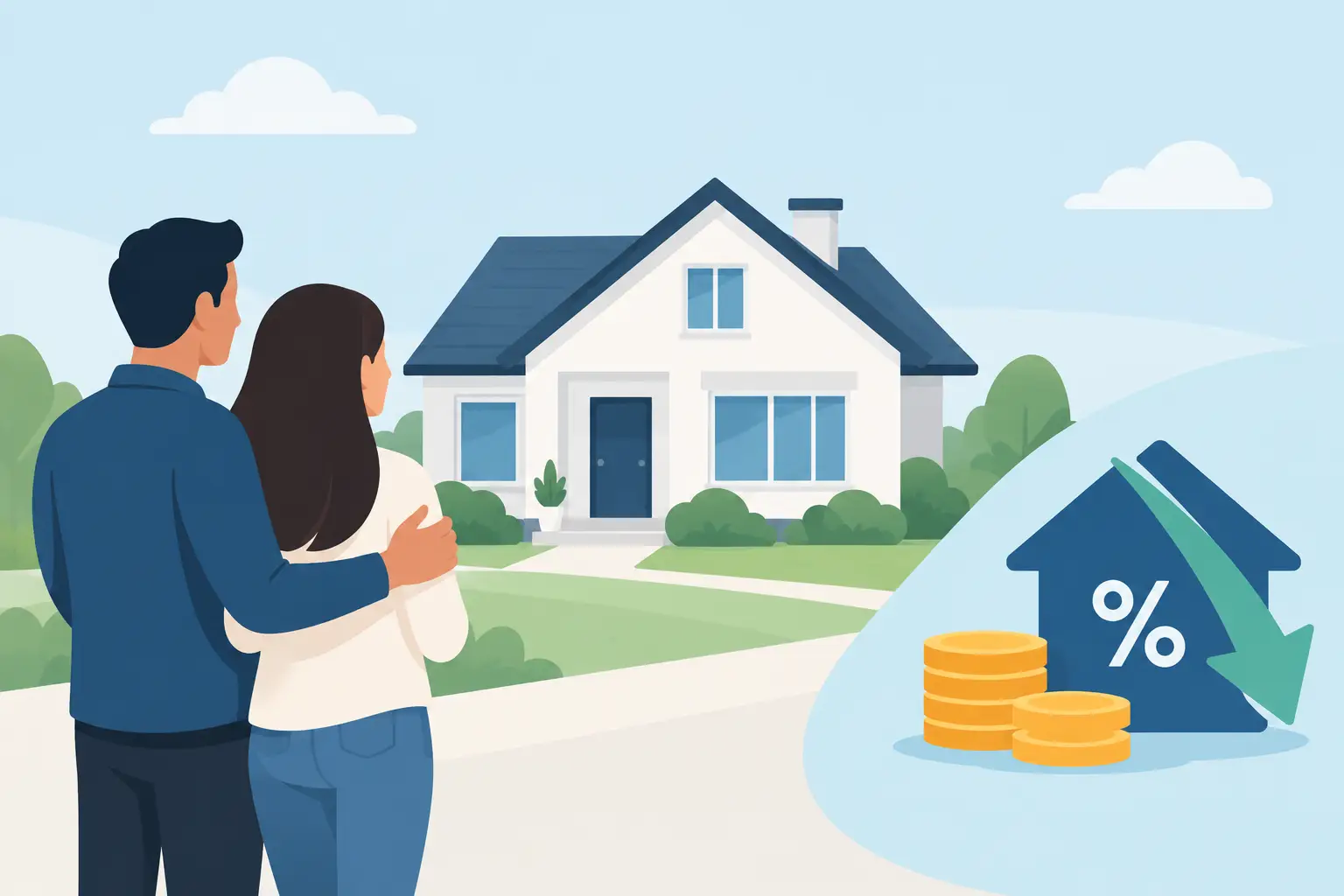
A home can be within your purchase budget but still feel uncomfortable once you see the monthly payment at today’s interest rates. That is where many buyers ask, “what is mortgage buydown?” A mortgage buydown can reduce your interest rate, either for the first few years of the loan or for its entire term. It may create needed breathing room, but only when the cost, timeline, and long-term payment all make sense for your family.
What Is a Mortgage Buydown?
A mortgage buydown is an arrangement in which money is paid upfront to lower the interest rate on a home loan. That money may come from the buyer, home seller, builder, lender, or another permitted source. The result is a lower monthly principal and interest payment, at least for a defined period.
There are two main types: a temporary buydown and a permanent buydown. They work differently, and choosing between them should start with an honest look at how long you expect to keep the mortgage, what you can comfortably afford, and who is paying the upfront cost.
A buydown is not a way to avoid qualifying for the mortgage. With most temporary buydowns, borrowers are generally qualified using the full note rate, not the initial reduced rate. In plain terms, you should be able to afford the payment once the temporary savings end. Loan program rules and lender guidelines can vary, so reviewing your specific scenario with a loan officer matters.
Temporary Mortgage Buydowns: Lower Payments at the Start
A temporary buydown lowers your rate for the first one, two, or three years of the loan. After that period, the rate returns to the fixed note rate shown in your loan documents.
A common example is a 2-1 buydown. If your note rate is 6.75%, your payment rate would be 4.75% in year one, 5.75% in year two, and 6.75% beginning in year three. A 3-2-1 buydown follows the same idea over three years, starting three percentage points below the note rate, then moving up one percentage point each year.
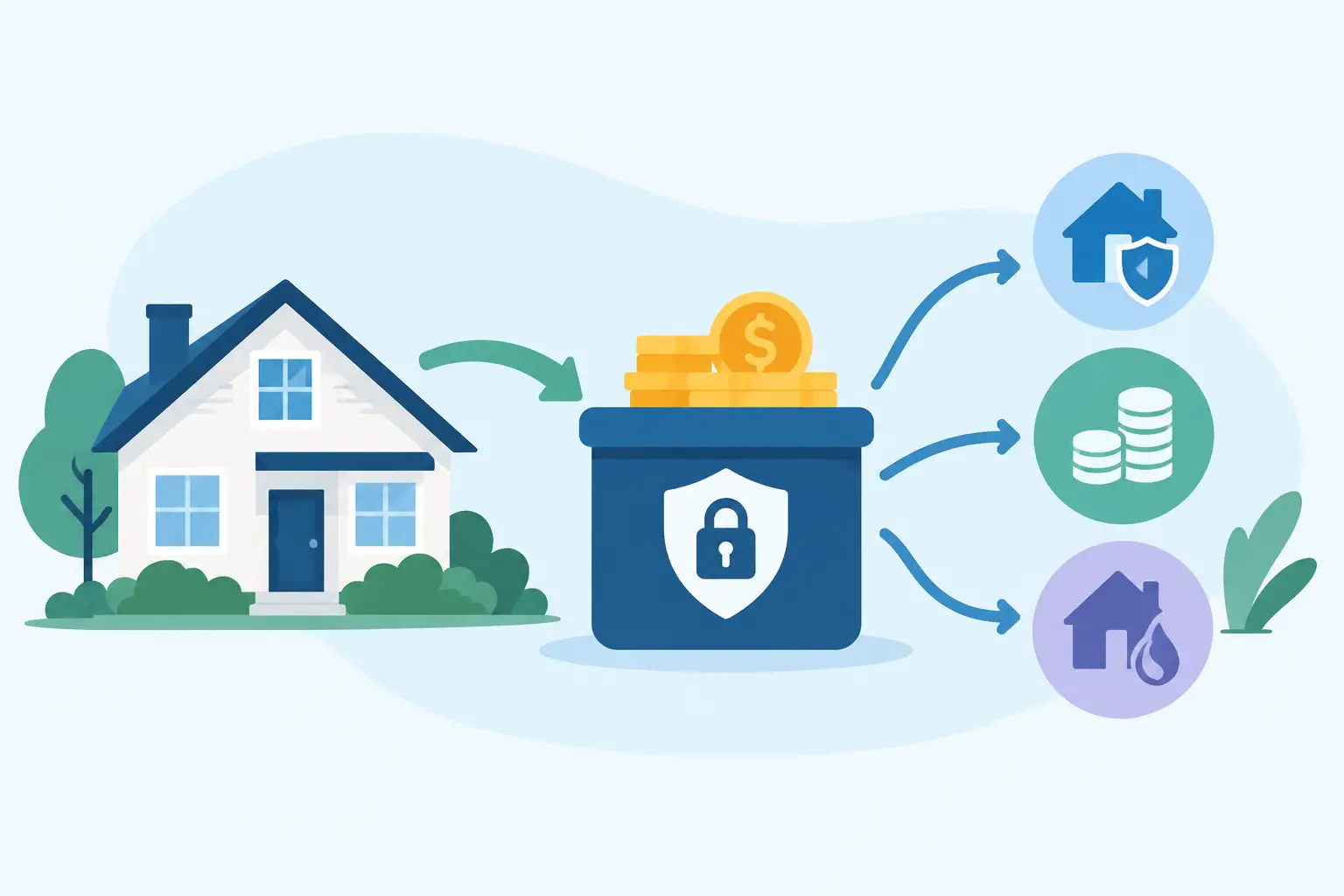
The funds used for the temporary reduction are typically placed in a custodial account and applied to supplement the payment each month during the buydown period. Your loan balance does not receive a special reduction because of the buydown. You are simply receiving help with the interest portion of the scheduled payment for a limited time.
Temporary buydowns can be especially useful in a purchase transaction when a seller is motivated to offer concessions or a builder is providing incentives on a new home. Rather than lowering the sale price by the same amount, a seller may be able to contribute toward closing costs and a buydown, subject to loan program and concession limits. For a buyer, that can make the first years of homeownership more manageable while income grows, other debts are paid down, or a household adjusts to new expenses.
Still, the future payment is the one that deserves the most attention. A temporary buydown is a good fit only if the full payment will remain comfortable after the reduced-rate period ends. It should support a sound financial plan, not delay a payment problem.
A simple temporary buydown example
Consider a $400,000 loan with a 6.75% fixed note rate. A 2-1 buydown would calculate the first-year payment as if the rate were 4.75%, then as if it were 5.75% in year two. Beginning in year three, the payment would be based on 6.75% for the remaining loan term.
The exact savings depend on the loan amount, term, and rate. Your total housing payment will also include property taxes, homeowners insurance, and possibly mortgage insurance or homeowners association dues. Those costs are not reduced simply because the mortgage rate is temporarily lower.
Permanent Buydowns: Paying Points for a Lower Rate
A permanent buydown lowers the interest rate for the life of the loan. It is commonly accomplished by paying discount points at closing. One discount point generally equals 1% of the loan amount, although the rate reduction received for each point is not fixed. It changes with market conditions, loan type, credit profile, occupancy, and other pricing factors.
For example, on a $300,000 mortgage, one point would cost $3,000. That $3,000 may reduce the rate by a fraction of a percentage point, but there is no universal formula. Your loan estimate should clearly show the cost of points and the resulting interest rate so you can compare options side by side.
A permanent buydown may make sense for a buyer who expects to keep the mortgage for many years and has enough cash available after their down payment, closing costs, and emergency reserves. Because the rate stays lower, the monthly savings continue as long as the loan remains in place.
The trade-off is the upfront expense. If you sell the home or refinance before you have saved enough each month to recover the cost of the points, the permanent buydown may not deliver its full value.
Understanding the break-even point
The break-even point estimates how long it takes for monthly savings to equal the upfront cost of the buydown. If points cost $4,000 and lower the payment by $100 per month, the basic break-even point is 40 months.
That calculation is helpful, but it is not the whole decision. A refinance opportunity, job relocation, growing family, or sale of the property could change your timeline. The money used for points also has an opportunity cost. Some buyers would rather preserve cash for moving expenses, repairs, furnishings, or reserves after closing.
Who Can Pay for a Mortgage Buydown?
The buyer can pay for a buydown, but buyers are not the only ones who can fund one. In many purchase transactions, sellers or builders contribute toward the cost as part of the negotiated agreement. A lender may also offer a lender credit structure in certain situations, though that can involve a different interest rate or pricing arrangement.
The source of funds matters because mortgage programs set limits on interested-party contributions. FHA, VA, USDA, conventional, and jumbo loans can have different rules. The amount of the down payment, property type, and whether the home will be a primary residence or investment property may also affect what is permitted.
This is one reason a buydown should be discussed early, ideally before an offer is written. A knowledgeable loan officer can help you understand which structure is allowed for your loan and whether asking for a seller concession may be more useful than negotiating only on price.
Mortgage Buydown vs. Refinancing Later
Some buyers use a temporary buydown because they believe they will refinance when rates fall. That can happen, but it should never be treated as a guarantee. Future interest rates, home values, income, credit, and loan guidelines are unknown. Refinancing also comes with closing costs and requires approval.
A more prudent approach is to choose a loan payment you can live with at the note rate today. If a beneficial refinance becomes available later, it can be evaluated as an opportunity, not as the plan that makes the original purchase affordable.
A temporary buydown can still be valuable in that situation. It may reduce payments during the early years of ownership, when buyers are often covering moving costs, furnishing a home, or building their savings back up after closing. Just make sure the decision works even if the original mortgage stays in place for its full term.
Questions to Ask Before Choosing a Buydown
Before accepting a buydown offer, ask for clear payment scenarios. You should see the payment during each reduced-rate period, the full payment afterward, the exact upfront cost, and who is paying it. Ask whether the buydown is temporary or permanent, whether it affects your qualifying payment, and what happens to unused temporary buydown funds if the loan is paid off early.
It is also wise to compare the buydown with other uses for the same money. A larger down payment may reduce the loan amount and potentially mortgage insurance. Keeping cash in reserve may bring more peace of mind. In another situation, seller-paid closing costs may be more helpful than a lower rate for one or two years.
There is no single right answer because the best structure depends on your loan program, cash position, expected time in the home, and comfort with the long-term payment. Red Tree Mortgage can walk through those numbers with you in plain language, helping you compare the options before you commit to a home financing decision.
A mortgage buydown is most helpful when it supports a payment plan that already feels responsible. The goal is not simply a lower number at closing. It is the confidence of knowing your home payment fits both the first year and the years that follow.

Related Posts