Housing affordability trends are reshaping homebuying. See what prices, rates, income, and loan choices mean for your next confident move with clarity.
What a Rate Lock Means for Your Mortgage
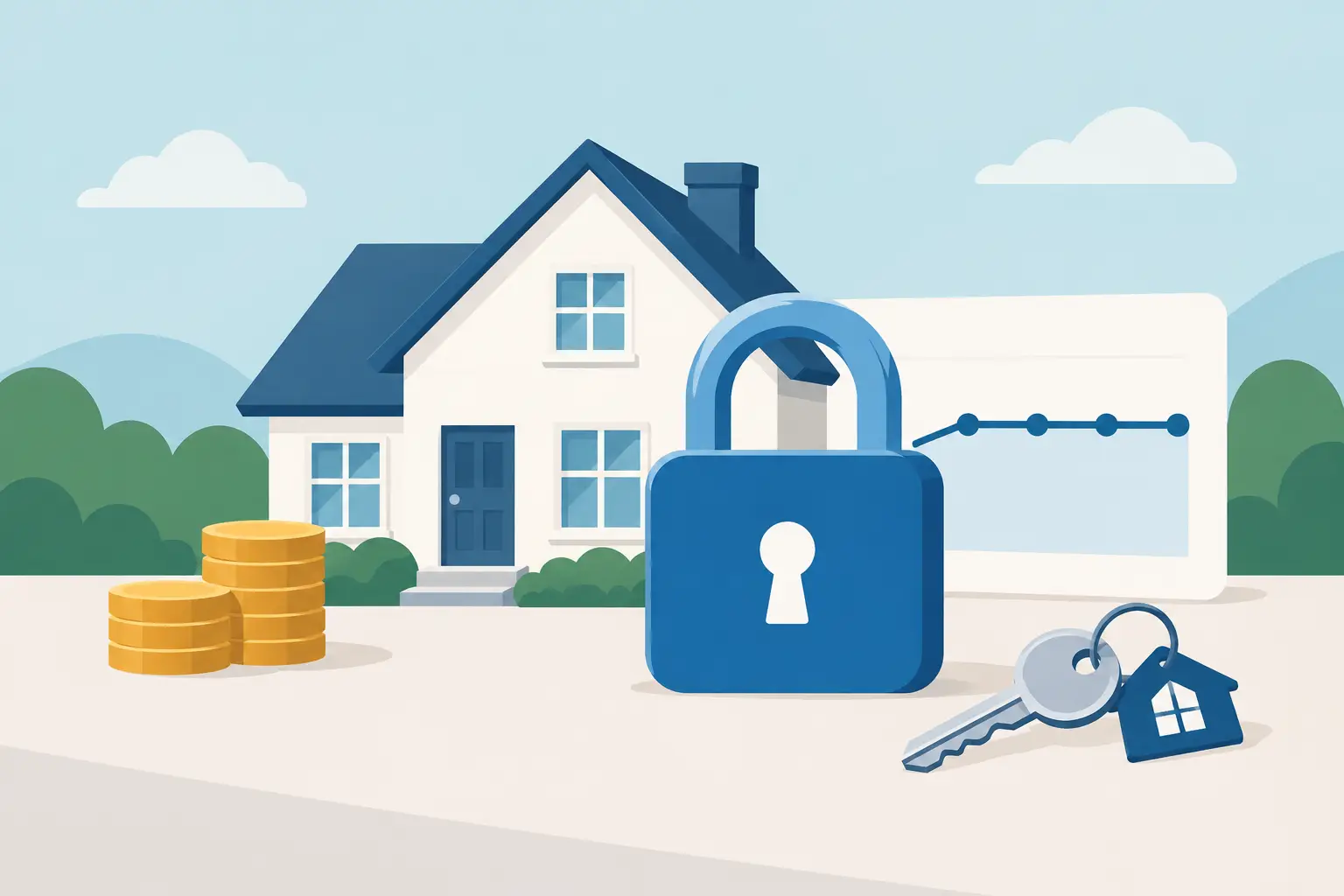
Mortgage rates can change more than once in a day. That is why a rate lock can be one of the most meaningful decisions you make after choosing a loan program. A lock gives you a measure of certainty: the interest rate and points quoted for your mortgage are protected for a set period while your loan moves toward closing.
That certainty matters, especially when you are balancing a purchase contract, a moving schedule, inspection decisions, and a monthly payment that needs to fit your budget. But a rate lock is not a one-size-fits-all feature, and it is not the same as a final loan approval. Understanding how it works can help you make a confident decision at the right time.
What Is a Rate Lock?
A rate lock is an agreement between you and your lender that holds a specific mortgage interest rate, and usually a specific number of discount points or lender credits, for a defined number of days. If market rates rise during that period, your locked interest rate generally stays the same.
For example, imagine you are approved for a 30-year fixed-rate loan at 6.50% with no points and lock that pricing for 45 days. If rates rise to 6.75% before closing, the higher market rate should not affect your loan as long as you close before the lock expires and the key details of your loan remain unchanged.
The lock confirmation should spell out the terms clearly. Review the interest rate, annual percentage rate, points or credits, loan program, lock expiration date, and estimated closing date. If anything looks different from what you discussed, ask your loan officer to walk through it with you right away.
A rate lock does not mean every part of your loan is permanently fixed. Your final cash to close may still change as taxes, insurance premiums, prepaid interest, title charges, or other third-party costs are finalized. It also does not remove the need to satisfy underwriting conditions, provide documentation, or complete an appraisal.
When Should You Lock Your Mortgage Rate?
There is no universal best day to lock. The right timing depends on your comfort with risk, your closing timeline, current market movement, and the payment you can afford.
For many homebuyers, locking once they have a signed purchase agreement, selected a loan option, and are comfortable with the payment offers welcome peace of mind. Waiting for a lower rate may feel tempting, but it also leaves you exposed if the market moves in the other direction. A small rate increase can affect your monthly principal and interest payment and the total interest paid over the life of the loan.
For a refinance, the decision can be a little more flexible because there may not be a contractual closing deadline. Still, it helps to begin with a clear goal. Perhaps you want to lower your payment, shorten your loan term, remove mortgage insurance, or access equity through a cash-out refinance. If the available rate and costs meet that goal, locking may be more practical than trying to predict the next market move.
A good conversation with your loan officer is more useful than trying to time headlines. Ask how long the loan is expected to take, whether appraisal or title timing could affect closing, and what your payment would be at the available options. The goal is not to guess the lowest possible rate. It is to choose terms that support your financial plan.
Choosing the Right Rate Lock Period
Rate locks often come in periods such as 15, 30, 45, or 60 days, although the available options vary by lender and loan type. A shorter lock may offer better pricing because the lender is taking on less market risk. A longer lock can provide more breathing room when the transaction needs additional time.
The lowest-cost lock is not always the best choice. A 30-day lock may look attractive, but it can create pressure if your appraisal is delayed, documents take longer to review, or a repair negotiation pushes the closing date. On the other hand, paying for a substantially longer lock may not make sense if the loan is well underway and the closing date is firmly scheduled.
For a purchase, start with the closing date in your contract and work backward. Leave room for normal processing steps, including appraisal, title work, underwriting review, and any requested documentation. If you are buying a newly built home, a long-term lock may be available, but its pricing and rules can differ from a standard lock. Construction timelines can shift, so it is especially important to understand extension options before you commit.
What Can Change a Locked Rate?
A lock is tied to the loan scenario used to price it. If that scenario changes in a meaningful way, the loan may need to be repriced. This is sometimes called a change in circumstances, and it does not necessarily mean anyone made a mistake.
Common examples include a lower-than-expected appraisal that changes the loan-to-value ratio, a change in loan amount, a different property type, or a revised occupancy status. Switching from a primary residence to an investment property, for instance, can affect both eligibility and pricing. Changes to your credit profile, debt-to-income ratio, or loan program may also matter.
This is why accuracy at the beginning of the application process is valuable. Be open with your lender about your income, assets, debts, employment plans, gift funds, and the type of property you intend to buy. Avoid opening new credit accounts, financing a large purchase, or changing jobs without talking with your loan officer first. Those steps may not always prevent a loan from closing, but they can require additional review.
What Happens if Your Rate Lock Expires?
If your loan does not close before the expiration date, the lender may be able to extend the lock. An extension can involve a fee, a change in pricing, or other requirements depending on the lender and the reason for the delay. In some cases, a new lock may be necessary.
The best way to manage this risk is through communication. If an appraisal is delayed, a title issue appears, or you expect a closing date change, tell your loan officer as soon as you know. Early notice gives your lending team more time to review available options and explain the potential impact.
Borrower-caused delays can be particularly costly. Requested documents should be sent promptly and completely. If underwriting asks for an explanation or an updated statement, responding quickly can keep the file moving and protect the timeline you planned for.
Can You Get a Lower Rate After You Lock?
A standard rate lock protects you if rates rise. It does not automatically lower your rate if market pricing improves. Some lenders may offer a float-down option, which can allow a borrower to take advantage of a lower rate under specific conditions. Float-down policies vary widely. They may require a longer lock period, apply only once, set a minimum market improvement, or come with a cost.
Before locking, ask whether a float-down is available and how it works. More importantly, decide whether you would be comfortable closing at the rate you lock. A lock should support your budget rather than become a reason to watch daily market changes with unnecessary anxiety.
Questions Worth Asking Before You Lock
A clear lender conversation can prevent surprises. Ask what rate, points, and lender credits are being locked; when the lock expires; what happens if closing is delayed; and whether an extension or float-down option is available. You should also ask which changes to your loan profile could affect pricing.
It is equally reasonable to ask for side-by-side scenarios. One option may have a lower rate with discount points paid at closing, while another may have a slightly higher rate and a lender credit. The better choice depends on your available cash, expected time in the home, and long-term goals. A borrower planning to sell or refinance in a few years may evaluate points differently than someone who expects to keep the mortgage for decades.
A rate lock is not about chasing perfection. It is about protecting a mortgage payment you understand and can feel good about. When you have an experienced loan officer who explains the choices clearly and stays accessible through closing, you can make that decision with confidence and keep your focus where it belongs: the home and the life you are building there.

Related Posts